Polycarbonate products give you a unique balance of helpful features including high temperature resistance, impact resistance and optical properties position polycarbonates between commodity plastics and engineering plastics.
Polycarbonate is definitely a tough material. Though it offers high impact-resistance, it has minimal scratch-resistance and thus a hard coating can be applied to polycarbonate eye protection lenses as well as polycarbonate exterior vehicle components. The properties relating to polycarbonate are generally like those of polymethyl methacrylate (PMMA, acrylic), and yet polycarbonate is stronger, it is usable in a wider temperature range and is a bit more expensive. This plastic polymer is highly transparent to visible light and has better light transmission characteristics than many different types of glass.
Polycarbonate has a glass transition temperature near 150 °C (302 °F), as a result it softens slowly above this point and flows above about 300°C (572 °F). Tools ought to be held at high temperatures, generally above 80 °C (176 °F) for making strain- and reduced stress products.
Unlike most thermoplastics, polycarbonate can undergo dramatic deformations without breaking or cracking. For this reason, it is sometimes processed and formed at room temperature using sheet metal techniques, such as forming bends with a brake. Even for sharp angle bends having a tight radius, no heating is generally necessary. This makes it valuable in prototyping applications where transparent or electrically non-conductive parts are necessary, which can not be created from sheet metal. Note that PMMA/Plexiglas, that is similar in looks to polycarbonate, but is brittle and cannot be bent unless it is heated.
The light weight of polycarbonate, compared to glass, has led to development of electronic view screens that replace glass materials with polycarbonate, for use in mobile and portable devices. Such displays include newer e-ink and many LCD screens, though CRT, plasma screen and other LCD technologies which still do require glass for its higher melting temperature and its ability to be etched with finer detail.
Other kinds of items created from Polycarbonate include durable, lightweight luggage, MP3/digital audio player cases, computer cases, high impact riot shields, instrument panels, and common style blender jars. Many toys and hobby items are made of polycarbonate parts, e.g. fins, gyro mounts, and flybar locks for use with radio-controlled helicopters.
For use in applications exposed to weathering or UV-radiation, a special surface treatment could be needed. This may be a coating (e.g. for improved abrasion resistance), or a coextrusion for enhanced weathering resistance.
The Makrolon Polycarbonate is a thermoplastic that begins as a solid plastic material in the form of small pellets. In a manufacturing process called injection molding, this pellet material is heated until they melt and become a very thick liquid. The melted liquid polycarbonate is then rapidly pushed into a mold with the empty part being the size and shape of the part you want, compressed under high pressure and cooled to create a finished product , all in just a minute or so.
Wednesday, April 14, 2021
Lexan Polycarbonate Sheeting are clear and tough

Wednesday, March 24, 2021
Covestro Makrolon Polycarbonate Flat Sheet are clear and tough
Bayer Makrolon Polycarbonate materials have a unique balance of beneficial features this includes high temperature resistance, impact resistance and optical properties position polycarbonates in between commodity plastic materials and engineering materials.
Polycarbonate is definitely a rugged material. Even though it has outstanding impact-resistance, it possesses low scratch-resistance and so a hard coating is applied to polycarbonate eye wear as well as polycarbonate exterior vehicle equipment. The characteristics of polycarbonate are along the lines of those of common Acrylic materials, and yet polycarbonate is actually stronger, it is usable in a wider temperature range and is a bit more expensive. This plastic polymer is highly transparent to visible light and has better light transmission characteristics than several types of glass.
Polycarbonate has a glass transition temperature near 150 °C (302 °F), as a result it softens slowly above this point and flows above about 300°C (572 °F). Tools should be held at high temperatures, generally above 80 °C (176 °F) in order to make strain- and almost stress free products.
Unlike most other thermoplastics, polycarbonate can undergo large deformations without cracking or breaking. Therefore, it could be processed and formed without needing to be heated using standard sheet metal techniques, which include forming bends on a brake. Even for sharp angle bends with a tight radius, no heating is usually necessary. This makes it attractive prototyping applications where transparent or electrically non-conductive parts are required, which can not be produced from sheet metal. Please keep in mind PMMA/Plexiglas, that is similar in appearance to polycarbonate, but it's brittle and can't be bent without heating.
The light weight of polycarbonate, unlike glass, has led to growth and development of electronic view screens that replace glass materials with polycarbonate, for use in mobile and portable devices. Such displays include newer e-ink and several LCD screens, though CRT, plasma screen and other LCD technologies which still require glass for its higher melting temperature and its ability to be etched in finer detail.
Other miscellaneous items made from Polycarbonate include durable, lightweight luggage, MP3/digital audio player cases, computer cases, police riot shields, instrument panels, and blender jars. Many toys and hobby items are made from polycarbonate parts, e.g. fins, gyro mounts, and flybar locks for use with radio-controlled helicopters.
For use in applications subjected to weathering or UV-radiation, a special surface treatment maybe needed. This may be a coating (e.g. for improved abrasion resistance), or a coextrusion for enhanced weathering resistance.
Bayer Makrolon Polycarbonate is a thermoplastic that at the beginning, starts as a solid material in the form of small pellets. In a manufacturing process called injection molding, this pellet material is heated until they melt and become a very thick liquid. The melted liquid polycarbonate is then rapidly pushed into a mold, compressed under high pressure and cooled to produce a finished product , that only takes about a minute to complete.
local engineering plastic materials
Thursday, November 19, 2020
Which Industries Regularly Specify CNC Precision
Since the dawn of the CNC (Computer Numerical Control) machines intro in the machining industry, they have been praised for being accurate, quick, constant and also flexible. Although CNC devices are not totally independent, a great deal of major sectors rely on these marvel devices. Common CNC-dependent industries include the steel sector and also the woodworking market. Nevertheless, these markets, when small-time, can be operated by hands.
In this post, you will certainly discover the industries which are CNC dependent not because they have expanded large in time however due to the fact that they need to. It can be likewise that they are CNC dependent due to the fact that their markets require a low level of resistance and a high degree of sophistication. There are no "small-time" members of this sector. Let's begin reviewing.
THE AEROSPACE MARKET
First of all, this is already a very advanced market. An engineering degree (solely) will certainly not get you throughout the Aerospace sector. Not also within striking range. This sector requires so high from their members so factory that belong to this industry trust only the very best of the most effective of CNC machining. As a matter of fact, resources say that the term "Accuracy Machining" has actually been coined from this industry. In the materials they make use of, the aerospace market already demands a great deal. CNC equipment which are made use of right here are primarily with the ability of taking care of Inconel, Titanium, Magnesium, Stainless Steel and so a lot more. From parts of the landing gear, to shuttle bus seats, to housings, and even oxygen generation, CNC equipment play a large component in their production.
It's not simply that. Every CNC equipment made use of in this industry likewise has to be accepted AND ALSO RATED by the Federal Air Travel Administration (FAA) to be risk-free and also to be surely with the ability of "Precision Machining". A NASA experience is very applauded too.
COMMON USAGE IN MEDICAL INDUSTRY
If the Aerospace Industry required accuracy most of all, the Clinical Industry demands sterility as much as precision. That's something that you might have understood considering that you obtained your very first vaccine. A lot of CNC equipment which help this market are multi-spindle as well as include multi-turret lathes.
These special functions enable the company to end up components for medical facility devices, pulse meters, blood filtration systems and mommy clinical devices. They are likewise beneficial in the mass production of non reusable items as well as non-embeddable elements.
High-torque milling and also transforming pins are greatly demanded in this sector to enable users to refine all substratums currently utilized in the medical tool and also orthopedic dental implant markets. In addition, CNC machines suggested in the medical market are those which can appropriately handle Titanium, Cobalt Chromium, Nitinol and others.
THE MILITARY SECTOR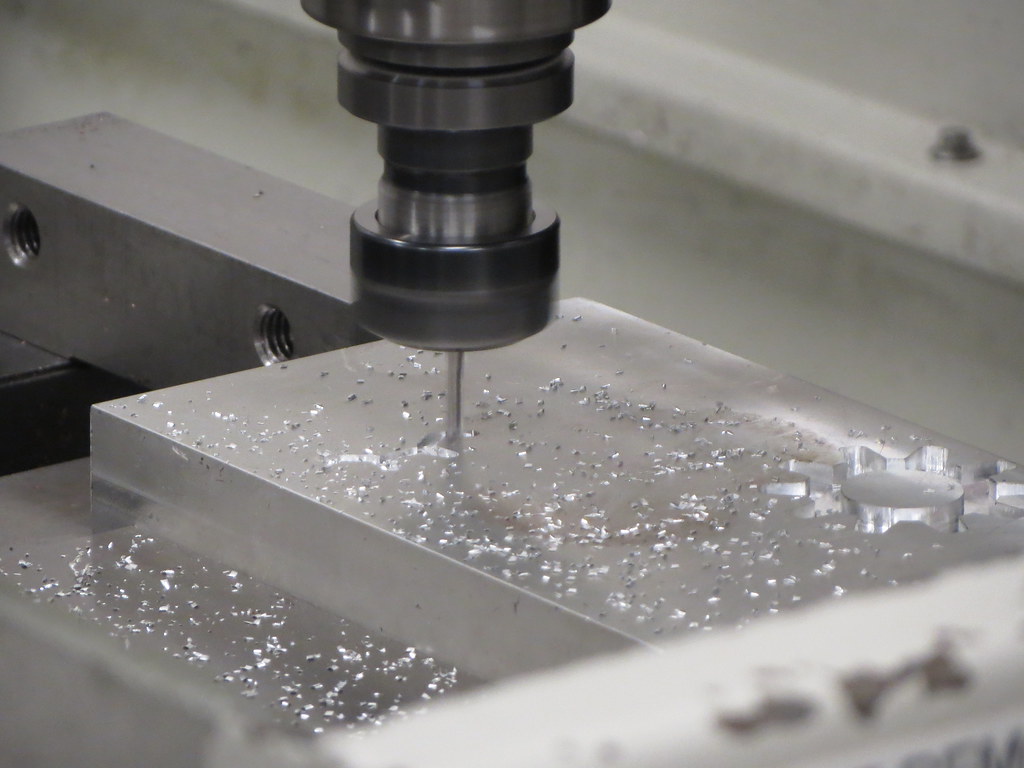 This industry's main problem aside from accuracy is protection. As a matter of fact, if you try to search online the CNC-manufactured materials or CNC devices made use of in this market, despite just how popular their reputation is, the manufacturer can not show (photos of) the products that they have actually produced for their customers. They can only show items which they are used in. The CNC process works well on most machinable products, including: Metal Sheet, Industrial Grade Plastics, and even Wood or Lumber products.
This industry deals greatly with Inconel, Titanium, Kevlar, Monel and also Hastealloy; so most CNC makers suggested in the Military sector should be able to deal with those.
Famous CNC standards evaluators in this industry include the Department of Protection (DOD), the Mil Specification (Military Requirement) and also various other selected army markets.
The leading managers of these markets likewise demand their CNC makers to be purchased from CNC device distributors which stick to the International Standards Company (ISO). And also due to the fact that these sectors are CNC-dependent, their stores can inhabit a huge quantity of area. Essentially, that makes no space for old-fashioned approaches and also mistakes.